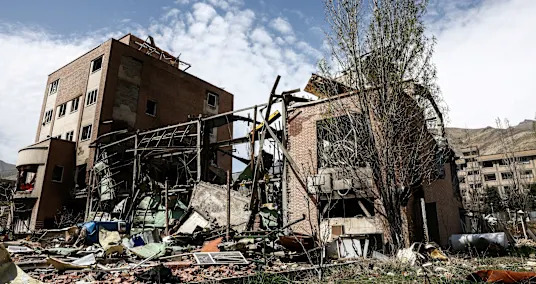
In Tehran, a city of nine million people, schools are closed, businesses are shuttered or struggling, and locals are living without a functioning air-raid warning system or public shelters. In many areas, the first sign of an incoming strike is the explosion itself.
There have been twice as many US and Israeli attacks on Iran compared to the number of Iranian retaliatory strikes since the war began — and the numbers killed in Iran have been orders of magnitude greater than in the neighboring Gulf states. A nationwide internet blackout, now entering its second month, has left civilians unable to access information about safety, shelter, and food and has meant some are unable to work. But while millions have fled Iran’s cities, many more are staying where they are. Some residents are hoping the US and Israeli bombs will cause the regime to collapse; others are left wondering if they are at risk if their neighbors are targeted.
For the many Iranians with ties to Dubai, there are other pressures, with Iranian nationals now barred from entering or transiting through the UAE. Residency permits, even for those with long-term Golden Visas, are reportedly being revoked without notice.

LATEST POSTS
- 1
 Young Muslims in Germany feel left out of Mideast debate, experts say
 - 2'Backward and upward and tilted': Spaceflight causes astronauts' brains to shift inside their skulls
- 3China resumes flights to North Korea after a six-year pause
- 4EU agrees on agriculture safeguards as fronts harden in Mercosur deal
- 5UN panel says Israel operating 'de facto policy of torture'





- 15 Outrageous Cosplay Outfits That Will Blow You Away
- Last supermoon of the year, the cold moon, seen across the U.S.: See the photos
- Which Brilliant Home Gadget Can't You Reside Without?
- Vote in favor of the bloom plan that adds a bit of excellence to your life!
- Violence 'never part' of break-in plan, court told
- Great DSLR Cameras for Photography Devotees
- Middle East hotels hit pandemic-era lows amid Iran war
- Portable Installment Answers for Independent ventures
- He walked on the moon in 1972. This is his advice for the Artemis II astronauts.