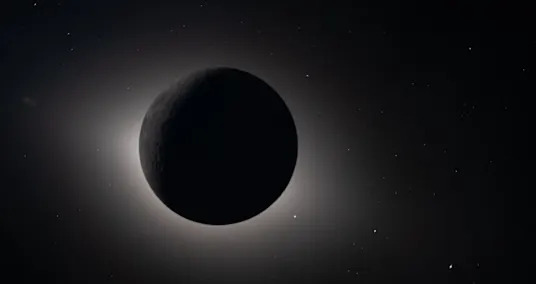
The final full moon of the year — a supermoon known as the cold moon — shone brightly across the world this week.
It follows two other supermoons this year: the harvest supermoon on Oct. 7 and the beaver supermoon on Nov. 5.
A supermoon occurs when a full moon coincides with the moon being at its closest point to Earth in its orbit. The moon, as a result, will appear slightly larger and brighter than usual.
According to the Farmers’ Almanac, December’s full moon is known as the cold moon, “reflecting the frigid season.” The almanac website says it’s “also known as the Long Night Moon (Mohican) because it rises during the longest nights of the year, near the winter solstice, and remains above the horizon for an extended period.”
Supermoons appear only three to four times a year, NASA says. And at its closest point to Earth, the moon can appear up to 14% bigger and 30% brighter than a moon that is farthest away from Earth.
The next full supermoon, also known as the wolf moon “because wolves were more likely to be heard howling at this time,” will happen on Jan. 3.
See photos of December’s dazzling supermoon below.
See more of our photo features on Yahoo News.
LATEST POSTS
- 1
 NASA's Artemis 2 astronauts are cruising to the moon. So why are they doing CPR tests today?
 - 2Cuba fights to contain spread of mosquito-borne chikungunya virus
- 3The Most Important Crossroads in Olympic History
- 4Figure out How to Utilize Your Web based Advertising Degree to Break into the Tech Business
- 5Vaccine makers raise concerns over US panel's shift away from hepatitis B shots for newborns





- Divorce filings, feuds and legal trouble: The 'Mormon Wives' drama keeps piling up
- Top notch Remote Earphones for Audiophiles
- Kids who get 2-month vaccines on time 7 times more likely to receive MMR shot: Study
- This Week In Space podcast: Episode 203 — China Rising
- What to know about the hepatitis B shot — and why Trump officials are targeting it
- Human evolution’s biggest mystery has started to unravel. How 2025 tipped the scales
- This Flashy Old-School Design Trend From Italy Still Has A Place In Modern Kitchens
- 'Unreal' solar eclipse: Artemis 2 crew just saw one of the rarest sights in spaceflight history
- Get To Be familiar with The Historical backdrop Of Western Medication